Hearing loss is something that can and will impact many of us, regardless of our age. The most important thing is to approach and support hearing loss with understanding, patience, and care.
Understanding The Causes
Hearing loss can result from a variety of factors, from age-related degeneration to prolonged exposure to loud sounds, chronic ear infections, or even certain medications.
Genetics can also play a role, meaning some individuals are naturally more susceptible. Identifying the underlying cause is a critical first step. Consulting an audiologist or ENT specialist can help determine whether the hearing loss is sensorineural (related to the inner ear or auditory nerve), conductive (affecting the ear canal, eardrum, or middle ear), or a combination of both.
Early Detection Matters
Many people delay seeking help, thinking that minor hearing difficulties are just part of aging or daily distractions. However, research shows that early intervention can prevent further strain on your cognitive functions and social connections.
Regular hearing assessments, especially after the age of 50 or if you notice consistent difficulty in understanding speech, can catch problems early. Modern audiologists use comprehensive testing to measure not only volume sensitivity but also clarity, pitch perception, and your ability to filter sounds in complex environments.
Learn About Technological Solutions
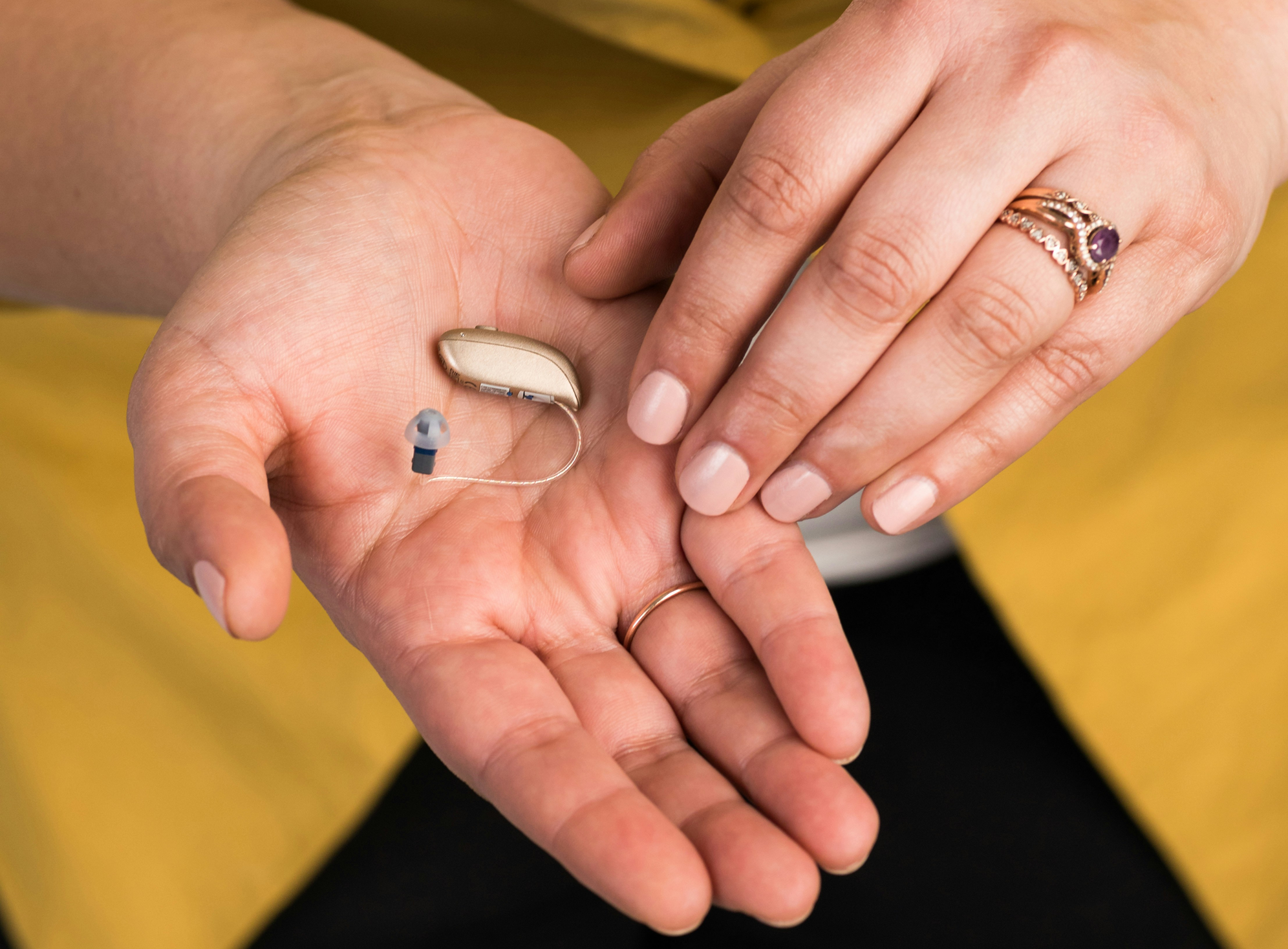
Once hearing loss is identified, a range of technological aids can dramatically improve daily life. Hearing aids have evolved significantly, now offering discreet designs, Bluetooth connectivity, and adaptive sound adjustment that responds to different environments.
It’s a good idea to find a hearing aid clinic if you think you might benefit from the hands-on support. For those who cannot benefit from traditional hearing aids, cochlear implants or bone-anchored devices may provide a life-changing improvement. Even simpler solutions, like amplification devices for the television or phone, can make everyday communication smoother.
Be Open To Lifestyle Adjustments
Alongside technology, small changes in daily routines can help mitigate the impact of hearing loss. Position yourself to face speakers, reduce background noise during conversations, and don’t hesitate to ask for repetition or clarification.
Regular exercise and cardiovascular health support blood flow to the inner ear, while managing stress and sleep can positively affect auditory processing, too.
Social engagement is also crucial; staying connected prevents isolation, which can exacerbate the emotional toll of hearing loss. Organizations such as local hearing charities or national hearing foundations can provide guidance, assistive devices, and community programs.
Counseling may also be beneficial, as adjusting to hearing loss involves not just the ears, but emotional adaptation. Learning strategies for effective communication can reduce frustration for both you and those around you.
Featured Image Credit: GN Global