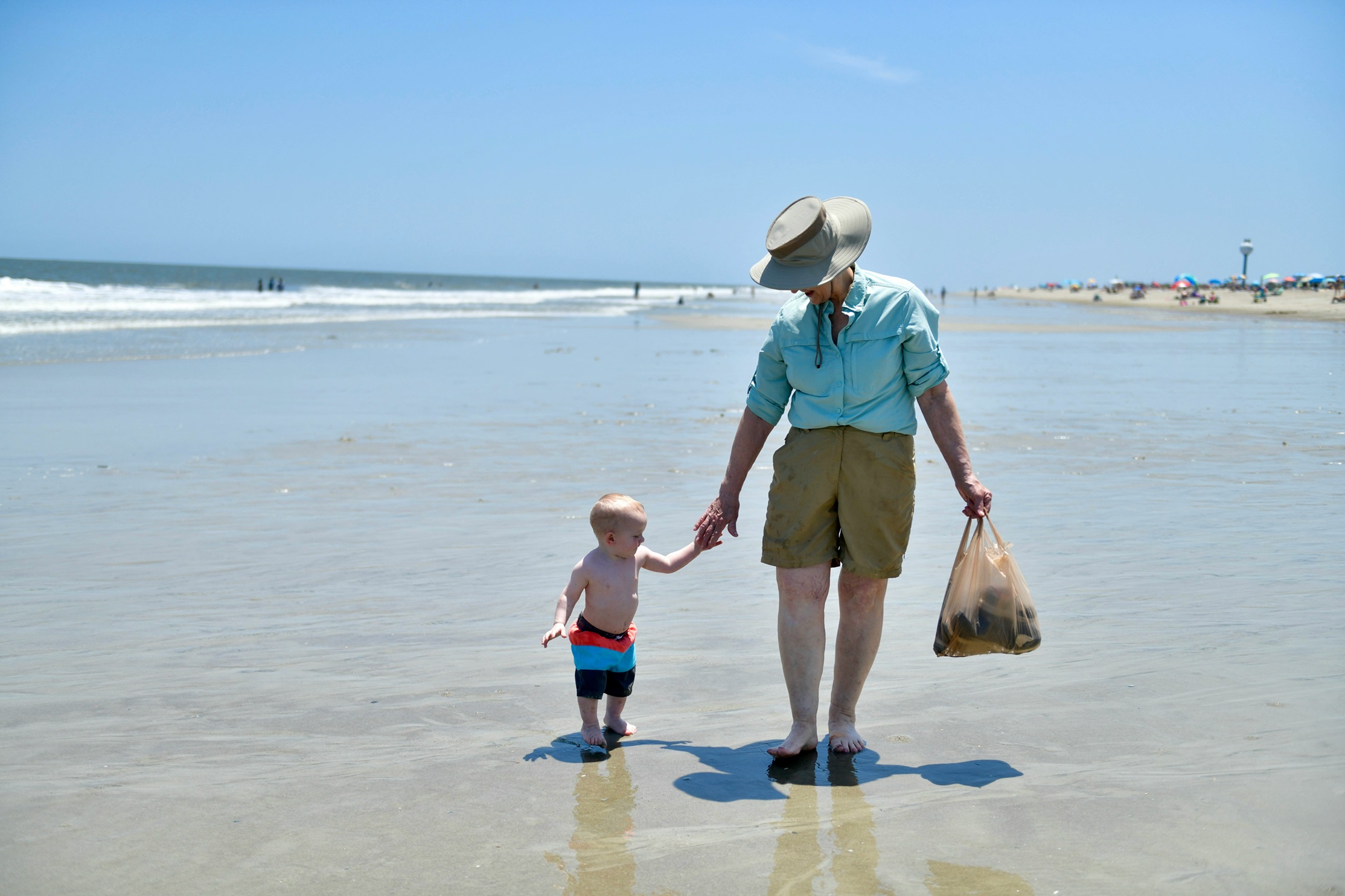
Our parents, grandparents, or elderly relatives are an amazing and vital part of our lives; however, as they age, their capacity to be involved can be limited by their mobility, health, or even shift in values/desires. In some cases, our loved ones may naturally remove themselves from social activities that have become too demanding or out of fear of being a burden to us.
But, the truth is, isolation is never going to help their health!
Including your aging parents or grandparents in your family plans isn’t just about their physical health; it’s about supporting their mental and emotional well-being too.
By involving them in your family activities, you create opportunities for connection, joy, and purpose. But how can you make this happen safely and meaningfully, especially if their health isn’t what it used to be? Here are some ideas to get you started:
Start Small
Loving on your older relatives doesn’t have to be overwhelming! Start with simply connecting and learning their perspectives on how often they want to be involved, what feels like ‘too much,’ or where they are perhaps unsure about their limitations.
Checking in on your aging relatives is a meaningful way to ensure they’re doing well, but there’s a big difference between checking in and including them.
Once you’ve established trust, you can start bringing them into different spaces, activities, or moments with your family. Be sure to stay mindful of their feelings, of little family members who may want to be around them, and know when they may need a break.
Look for Senior-Friendly Activities
When it comes to finding the right activities, options that include everyone (regardless of age!) are ideal. Look for options that cater both to your loved one’s abilities but also to children, too!
Something like a park, pond, or outdoor recreation area might be great just because there are so many options! Here you might find walking paths, swing sets/playsets, or open fields for kids to run around. This way, whether you’re walking a path, playing an intense game of ‘freeze tag’ or having a picnic, everyone in your group can participate meaningfully and join in at their own pace.
Another option is planning a visit to a local attraction, such as a zoo or garden. These places might offer senior discounts and also have different accessibility options.
Consider Accessibility and Mobility
Speaking of accessibility, you’ll want to consider what (if any) supports your loved ones may need. For example, a wheelchair, scooter, or ramps/walkways for easy mobility.
Depending on where you travel to or what you’re doing, keeping your loved one’s limitations in mind is very important.
In addition to mobility aids, it’s important to consider hearing support for aging relatives, too. Many seniors experience hearing loss, which can make group conversations and social activities more challenging. Using assistive listening devices can help them stay engaged, reducing frustration and ensuring they feel truly included in family moments.
Play Games Together
Board games and card games are excellent for brain health, helping to improve memory, concentration, and problem-solving skills. Games like Scrabble, Rummikub, or even a deck of cards will make for an evening of fun and friendly competition! Plus, for older relatives, playing strategy games can keep their minds active and sharp!
Creating a board game evening at home is simple and inclusive. Start by making a cozy space (think blankets, pillows, comfy clothes, etc.) and turn off anything that will be distracting, like the TV or cell phones. Then, allow conversation, comradery, and competition abound!
Including your aging parents or grandparents doesn’t mean every outing or activity has to go perfectly. Focus on creating moments of connection rather than grand plans. Whether it’s cooking a meal together, walking or simply sitting outside to chat, the little things often matter most.
By thoughtfully incorporating your parents or grandparents into your family plans, you’re giving them the gift of belonging and purpose while strengthening your bonds.
Featured Image Credit: Holly Landkammer