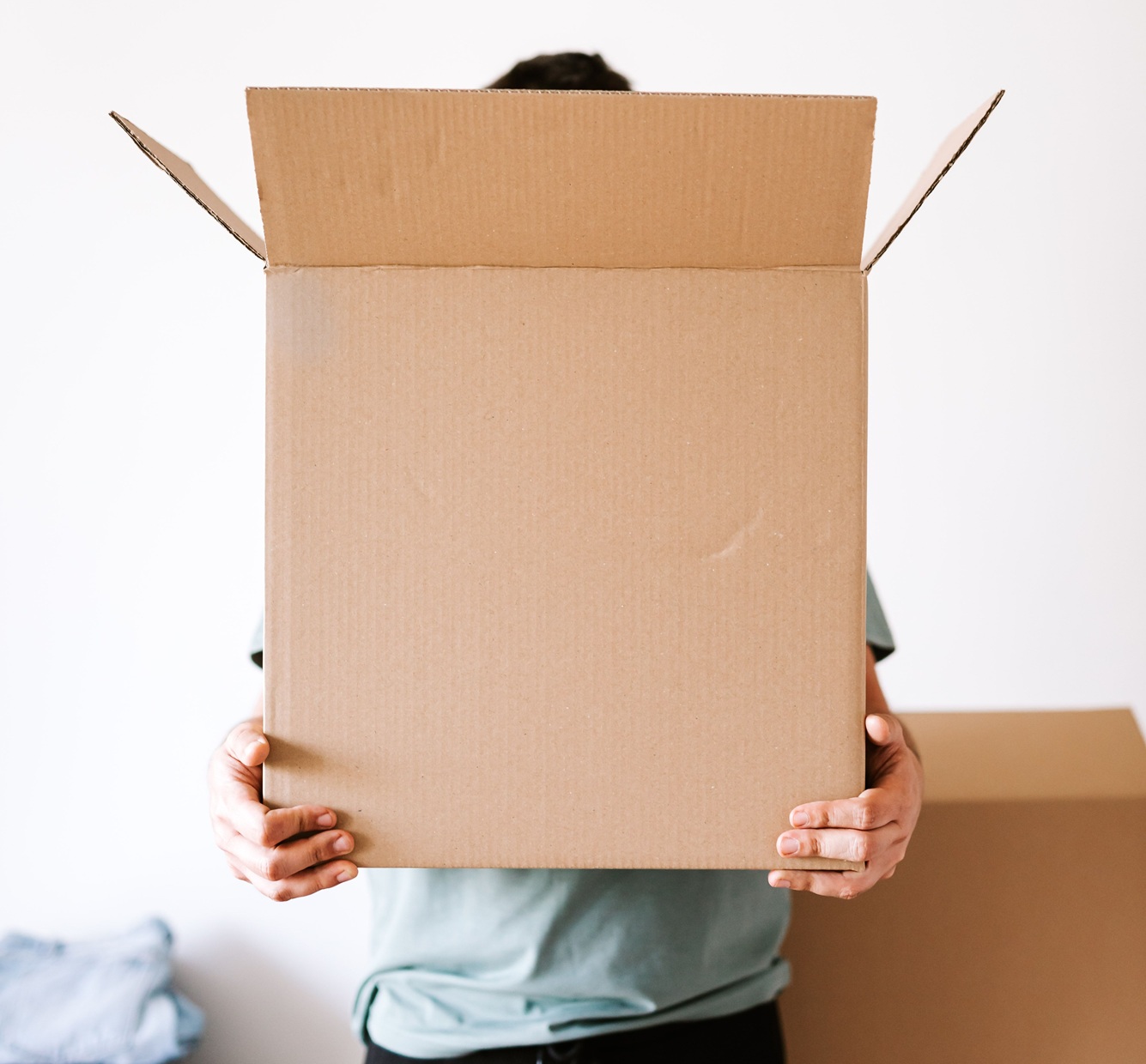
Moving isn’t easy, and comes with a lot of little jobs, from sorting your belongings to remembering what you’ll need on the first night. It’s much easier to handle everything when you start early and break the work into smaller tasks. A simple timeline can help you stay organized, avoid last-minute packing, and make sure your essentials are easy to find when you arrive at your new home. Here’s how to get ready without making moving day more stressful than it needs to be.
Start With A Simple Timeline
Work backward from moving day and divide the job into weekly blocks. Six weeks out, focus on sorting and booking any services you’ll need. At four weeks, pack decorative items, books, and seasonal belongings. Use the final two weeks for everyday rooms, address change(s), and cleaning.
Add deadlines to your phone calendar so tasks don’t disappear among regular family commitments. Keep the schedule realistic. Packing one closet after dinner is easier to complete than assigning an entire floor to a busy weekday. If you want a more detailed room-by-room strategy, this guide to packing before moving offers a useful place to begin.
Decide What Help You Need
Consider your home’s size, the distance involved, and how much time you have to prepare. You might be able to manage a small apartment move with help from friends, while a larger household move could require extra support. If you’re weighing your options, removalists may be worth considering for packing, transport, and unloading. Compare quotes and check what each service includes before deciding.
Ask for clear details about timing, pricing, and what preparation is expected before moving day. Confirm who supplies boxes and packing materials. If you plan to pack some rooms yourself, identify which items the moving team will handle to avoid confusion when they arrive.
Sort (& Purge!) Before You Pack
Packing is faster when you take only the belongings you still use. Go through one small area at a time and create categories for keeping, donating, selling, and disposing. A single kitchen cabinet or bathroom drawer makes a good starting point because you can finish it in one session.
Check disposal rules before placing paint, cleaners, batteries, or similar products in the trash. The Environmental Protection Agency provides guidance on household hazardous waste, including safer disposal options for common products.
Set a deadline for donation bags and sale items. Anything that hasn’t left the house by that date needs an immediate decision, or it may end up moving with you by default.
Pack Boxes That Are Easy To Manage
Use sturdy boxes in a few consistent sizes so they stack securely. Place heavier belongings in smaller boxes and lighter items in larger ones. Books, canned food, and small appliances can become difficult to carry when combined in an oversized container.
Label each box on the top and at least one side. Include the destination room and a short description, such as “Kitchen – Baking Supplies.” Numbering boxes also helps you notice if one is missing.
Keep soft household items useful during packing. Towels can cushion sturdy kitchenware, while clean linens can fill empty spaces inside boxes. Avoid overfilling containers or leaving large gaps that allow contents to shift.
Prepare An “Essentials” Box
Pack one clearly marked box or suitcase with everything your household will need during the first 24 hours. Keep it with you so it won’t get buried behind furniture or stored with boxes you won’t open immediately.
Useful items may include:
- Phone chargers and a power strip
- Toiletries and medications
- Pajamas and a change of clothes
- Basic dishes and utensils
- Paper towels and trash bags
- Pet food or children’s comfort items
- Important documents and keys
Include a few basic tools for opening boxes and assembling furniture. If you’re moving with children, let each child choose a backpack of familiar items to keep close.
Leave The Moving Day Morning Clear
Finish packing before the final morning (if possible). Set aside only the bedding, toiletries, and breakfast supplies you’ll use overnight, then pack those last. Clear hallways and entry areas so boxes can leave the home without blocking doorways.
Keep documents, valuables and essential medications in a bag that stays with you. Take photos of utility readings, empty rooms, and the condition of large furniture before departure. Once the last box is out, check closets, cabinets, outdoor areas and appliance interiors.
Open the clearly labeled essentials box first at the new home. Knowing exactly where the chargers, clean towels, and coffee supplies are can make that first evening feel far more settled.
Featured Image Credit: Kaboom Pics