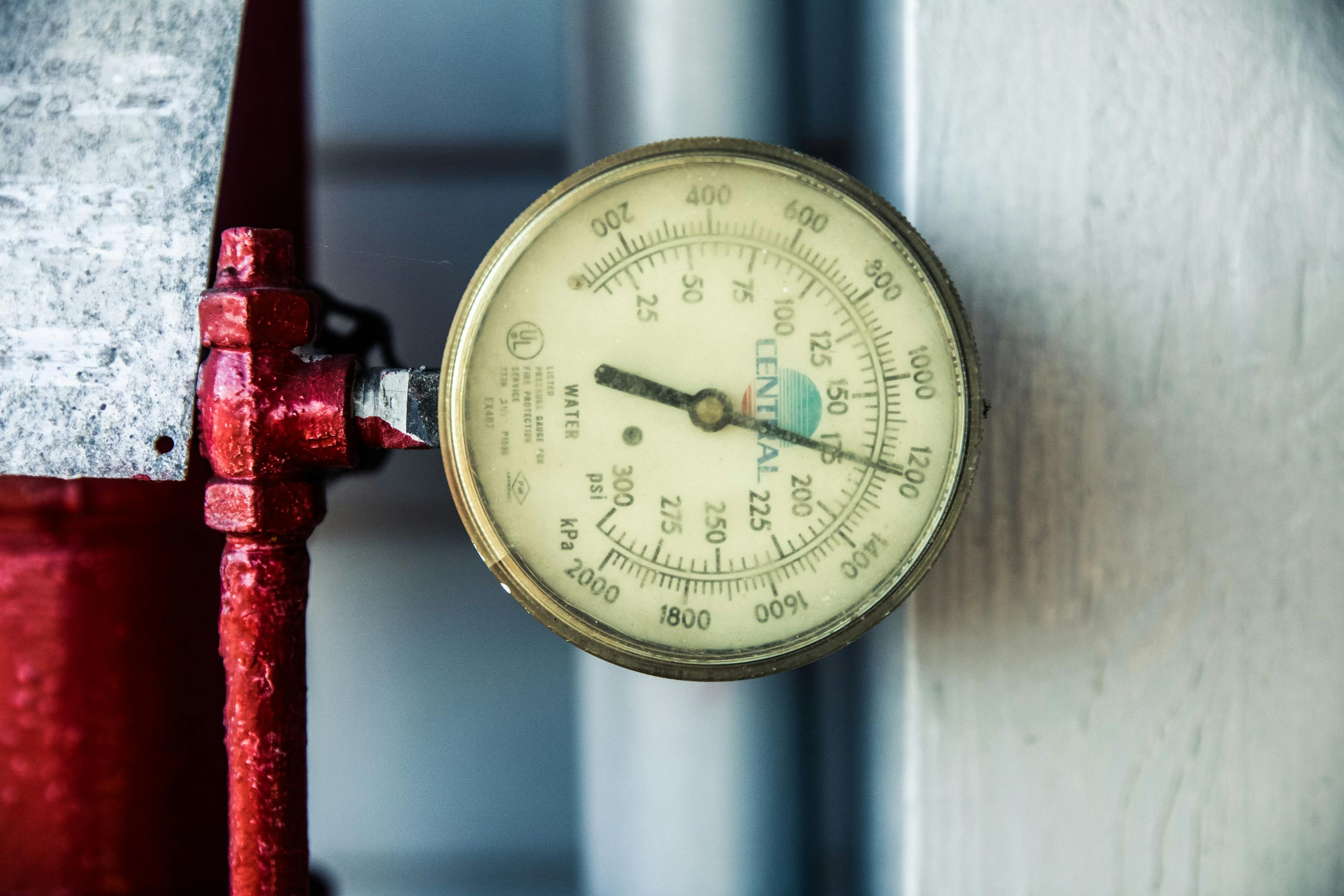
Low water pressure can turn everyday tasks like showering and washing dishes into a frustrating chore. It could also be a sign of more serious issues like corrosion in pipes. To turn that disappointing trickle back into a steady flow, here are a few underlying causes that could be worth exploring, as well as tips on how to fix and prevent low water pressure.
1. Check For Clogged Pipes
The most common cause of low water pressure is a blockage in the pipe. Some of the prime suspects behind these blockages include:
- Mineral deposits: In hard water areas, minerals like calcium and magnesium can scale up the inside of pipes over time, causing them to become narrow. Limescale residue on taps and showerheads is a sure sign of this.
- Rust: Old pipes can rust up inside, which also restrict water flow. This can lead to metallic tasting water that may have a reddish hue.
- Ice: In cold temperatures, water in pipes can freeze, leading to low water pressure.
If rust or limescale is the cause, the pipe may need to be replaced or descaled by a professional. Replacing old pipes in your home can prevent future rust issues, while water filtration systems can be used to reduce hardness of water before it enters your plumbing system to counter mineral deposit build-ups.
Ice in pipes may be possible to remove by gently heating up plumbing – either by pouring warm water on the pipes or using a warm cloth. Installing pipe insulation can often help to prevent pipes freezing in cold weather.
2. Look Out For Hidden Leaks
Low water pressure could alternatively be caused by a leak. As water seeps out of the pipe, less of it reaches the faucet.
Obviously, leaks are a major issue – they can lead to expensive water bills and expensive water damage. In many cases, you can spot a leak by looking out for dripping water from exposed pipes or damp patches on walls or the ceiling. Unfortunately, some leaks can be hidden within walls or under floors, causing hidden damage to cavities or foundations.
A trusted plumbing company will be able to find these leaks and patch them up. Old damaged pipes are often the root cause – these will need to be replaced.
3. Investigate Faulty PRV
A PRV (pressure reducing valve) controls the flow of water in your home. Such valves are typically installed to regulate high water pressure – however, sometimes faulty PRVs can end up reducing the water pressure too much.
A plumber will be able to tell if this is the cause and will be able to quickly replace your PRV to get your system working properly again.
4. Explore Supply Issues
Finally, supply issues from your water provider or main line could be causing widespread low pressure. This might stem from municipal repairs, high demand in your area or problems with the main supply pipe to your home.
Talk to your neighbors to see if they report the same problem to determine whether it is an external issue. Waiting out repairs may be all that you can do to overcome this issue. Notifying your water provider is recommended as they may not know there is a problem.
Featured Image Credit: Ekaterina Belinskaya